


Calf strain treatment in Manchester
Find out how bad the strain is, get walking normally again and build calves strong enough for running, sport and the gym.

Calf strain physio in Manchester city centre
Reviewed by Nick Chatziviltsos, PgDip, HCPC-registered physiotherapist (PH114351), November 2026
At a glance
Who gets it: Runners, especially over 35, and people who play football, tennis, padel, netball or do HIIT classes.
Main symptom: A sudden pull, pop or "kicked" feeling in the calf, then pain on walking and rising onto your toes.
Typical recovery: Mild strains 2 to 3 weeks. Moderate strains 4 to 6 weeks. Severe tears 2 to 3 months or more.
Sessions: Most people need 3 to 6 over 4 to 8 weeks.
Avoid: Heat, alcohol and massage for the first 2 to 3 days, and rushing back to running.
Get urgent help: Calf swelling with no clear injury, redness or warmth: get an urgent GP appointment or call 111. With breathlessness or chest pain: call 999.
A calf strain is a tear in one of the muscles at the back of your lower leg. It often happens suddenly, when you push off to sprint, lunge for a ball or run up a hill. Many people say it felt like someone kicked them in the back of the leg.
Most calf strains heal well. The NHS says most strains improve within about 2 weeks, but advises avoiding strenuous activity such as running for up to 8 weeks. The bigger problem is coming back too soon. A previous calf strain is one of the strongest risk factors for another one.
What a good physio adds is a clear answer to three questions. Which muscle is hurt, and how badly? Is it definitely a muscle strain, and not a blood clot or an Achilles injury? And what's the safest, quickest way back to full speed without it going again?
🛠️ How we treat calf strains
Every calf strain plan at Athos Physio follows the same three steps. What changes is what we find at each one.
Step 1. Find the root cause
A calf strain is an injury, but there's usually a reason it happened when it did. In your first 60-minute session we work out three things:
What's injured: the gastrocnemius, the soleus, the Achilles, or something that only looks like a strain, such as a blood clot
How badly: a mild strain, a moderate tear, or a more severe one that needs a longer plan or a scan
Why now: a jump in speed work, hills or matches, tired legs, an old calf injury, or calves that aren't strong enough for what you're asking of them
We show you on a 3D anatomy model how the two calf muscles join the Achilles. Knowing which one is hurt explains your exercises and timings.
Step 2. Treat what's driving it
Protect it early. For the first few days, we help you walk as normally as you can. A small heel raise in your shoe can ease pain.
Ease the pain. Gentle soft tissue work around the area once the first few days have passed, and joint mobilisation for a stiff ankle.
Start moving early. Gentle ankle movements and easy calf contractions usually start within the first few days. They help healing and blood flow.
Keep your fitness. Upper body work, cycling or swimming often stay in, if they're comfortable.
Step 3. Build it to last
This is the part that stops it happening again.
Calf strength. Straight-knee and bent-knee heel raises, so both the gastrocnemius and the soleus get strong, building to heavy single-leg work.
Spring and speed. Pogo hops, skipping, bounding and acceleration drills, because running and sport need fast, springy calves.
Rehab on the gym floor. Being inside F45 NQ means we can load your calves with weights and the Smith machine, and rebuild sprints and jumps in a real training space.
A clear return plan. Run, then stride, then sprint, then sport, with tests you need to pass at each step.
We finish when you're back running and playing with confidence, not just when the pain has gone.
Want to know how bad your calf strain is and how long it'll take? Your first 60-minute session finds out and starts treatment the same day. Book your assessment →
🔍 What is a calf strain?
Your calf is made up of two main muscles. The gastrocnemius is the bulky muscle you can see, with two heads at the top that cross the knee. The soleus sits underneath, is flatter, and works hardest when your knee is bent. Both join to form the Achilles tendon.
A strain is a tear in the muscle fibres. NHS leaflets describe it as overstretching or too much force on the calf muscles. The fibres weaken and bleeding causes swelling and bruising.
Calf strains are common in sports with high-speed running, sudden acceleration and lots of running load. They're more common as you get older, and after a previous calf strain.
Types and grades of calf strain
Grade 1 (mild): a small number of muscle fibres are torn; tightness or ache, can walk normally, mild pain on rising onto your toes.
Grade 2 (moderate): a larger tear, sometimes involving the connective tissue in the muscle; sharp pain at the time, limping, swelling or bruising, hard to rise onto your toes.
Grade 3 (severe): a large or complete tear; severe pain, often unable to rise onto your toes or walk normally, a dent or large bruise. May need a scan.
Medial gastrocnemius ("tennis leg"): a tear in the inner, upper part of the calf; sudden pop during a lunge or push-off, common in racket sports.
Soleus strain: a tear in the deeper, lower muscle; often comes on gradually during a run, with tightness that builds rather than a sudden pop.
Working out which muscle and which grade changes your timings and the order of your exercises.
⚠️ Calf strain symptoms
Symptoms depend on how bad the strain is. You might notice:
A sudden sharp pain, pull or pop at the back of the lower leg
A feeling that someone kicked you or hit you with a ball
Pain walking, especially pushing off, or on stairs
Difficulty or pain rising onto your toes
Swelling, bruising or a change in skin colour, sometimes tracking down to the ankle
A tight, cramping feeling that builds during a run, typical of a soleus strain
Tenderness at one spot in the calf muscle
Is it a calf strain, a blood clot or an Achilles injury?
Calf pain and swelling with no clear injury, a warm, red or darkened calf, or swollen veins can be a deep vein thrombosis (DVT). Don't wait for physio. Get an urgent GP appointment or call 111.
A sudden snap at the back of the ankle, and you can't push off or rise onto your toes may be an Achilles rupture. Get seen at A&E or an urgent treatment centre the same day.
Pain and stiffness in the Achilles tendon above the heel, worse in the morning is more likely Achilles tendinopathy. See our Achilles tendinopathy page.
Aching along the inside of the shin bone suggests shin splints rather than the calf muscle.
Pain at one spot on the shin bone, worse with every step or at night can be a stress fracture. Stop running and get assessed.
We test each of these at your first session rather than guessing from the symptoms alone.
🔍 What causes a calf strain?
A calf strain happens when the force on the muscle is more than it can take at that moment. A review in the British Journal of Sports Medicine found that age and a previous calf strain are the strongest risk factors. A calf strain in the last 8 weeks made another one much more likely.
Common triggers we see in Manchester
Five-a-side and Sunday league football, especially sprinting on 3G pitches after a week at a desk.
Tennis, padel and squash, with sudden lunges and push-offs.
Parkrun sprint finishes and hill reps, when your calves are already tired.
HIIT and gym classes with lots of skipping, jumping and sprints.
A jump in speed work or hills in a race build-up, such as for the Manchester Marathon.
Coming back too soon after a previous calf strain.
Being over 35. Calf strains become more common as you get older.
Myths about calf strains
"I just need to stretch more." Stretching has a place, but strong calves matter more for preventing another strain.
"Cold weather causes calf strains." The research hasn't found temperature or weather to be a meaningful risk factor.
"If I can walk, I can run." Running loads your calf several times more than walking. You need to pass a few tests first.
"Rest until it's pain-free." Gentle, early movement and loading help the muscle heal stronger.
🧪 How we assess a calf strain
Your first session lasts 60 minutes, so there's time to assess properly and start treatment the same day.
Your story (10 to 15 minutes). How it happened, what you felt, whether you could carry on, any previous calf injuries, and what you want to get back to.
Safety screen. We check for signs of a blood clot, including swelling, warmth, skin colour and your risk factors.
Achilles check. The calf squeeze test, also called the Thompson test. If squeezing your calf doesn't move your foot, the Achilles may be ruptured.
Muscle tests. We feel for the sore spot and test calf strength with your knee straight and bent. This tells us whether the gastrocnemius or the soleus is hurt.
Movement tests. Ankle range with the knee-to-wall lunge test, and how you walk and squat.
Load tests. How many single-leg heel raises you can do compared with the other leg, and a hop test when you're ready.
Your diagnosis and plan. In plain English: which muscle, how bad, what to do this week, when you can expect to run, and how many sessions we expect.
You'll leave with treatment started and the first two or three exercises of your custom rehab plan. If we think you need a scan or a doctor's opinion, we'll tell you and write to your GP.
🛠️ Calf strain treatment at Athos Physio
Every plan moves through four phases. How fast you move depends on how your calf responds and the grade of strain, not on the calendar.
Protect (days 0 to 5). Ease pain and swelling, and get you walking normally. PRICE, a heel raise in your shoe if it helps, gentle ankle movements, easy calf contractions, walking little and often.
Restore (weeks 1 to 3). Get back full movement and start loading. Soft tissue work, ankle mobilisation, double then single-leg heel raises with knee straight and bent, cycling.
Strengthen (weeks 2 to 6). Build strength close to the other leg. Weighted heel raises, seated soleus raises, step-ups, pogo hops, skipping, a walk-run plan.
Return to sport (weeks 3 to 8 onwards). Get you back to full speed, safely. Strides, hill runs, sprints, change of direction and sport drills, with a final strength and hop test.
Your home programme is usually 3 to 5 exercises taking about 15 minutes a day. Severe tears follow the same steps over a longer time.
Most people need 3 to 6 sessions over 4 to 8 weeks. A severe tear, or a calf that keeps going again, may need more.
What actually works for a calf strain?
The NHS recommends PRICE (protection, rest, ice, compression and elevation) for the first 2 to 3 days. It advises avoiding heat, alcohol and massage for the first couple of days, then moving the area as soon as pain allows. NHS leaflets suggest returning to sport only with full strength, full movement and pain-free brisk walking.
A BJSM review found age and a previous calf strain are the strongest risk factors. One MRI study of 100 patients found average return to play rose from 8 days for the mildest injuries to 48 days for the most severe.
Recommended: PRICE for the first 2 to 3 days, then gentle movement; early, pain-guided walking and calf exercises; progressive strengthening of both the gastrocnemius and soleus; a graded return to running, with speed and sport added last; strength and hop tests before you return to full sport.
Less useful: heat, alcohol and massage in the first couple of days; long periods of complete rest; tight elasticated bandages, which an NHS leaflet warns can affect circulation and raise the risk of a clot; returning to sprinting as soon as walking is comfortable.
We base our timings on how your calf performs on tests, not on the calendar alone.

⏱️ How long does a calf strain take to heal?
Grade 1 (mild): walking comfortably: a few days; back to full running and sport: 2 to 3 weeks.
Grade 2 (moderate): walking comfortably: 1 to 2 weeks; back to full running and sport: 4 to 6 weeks.
Grade 3 (severe): walking comfortably: 2 to 4 weeks; back to full running and sport: 2 to 3 months or more.
"Back to full running and sport" means sprinting and playing at full speed, not just jogging.
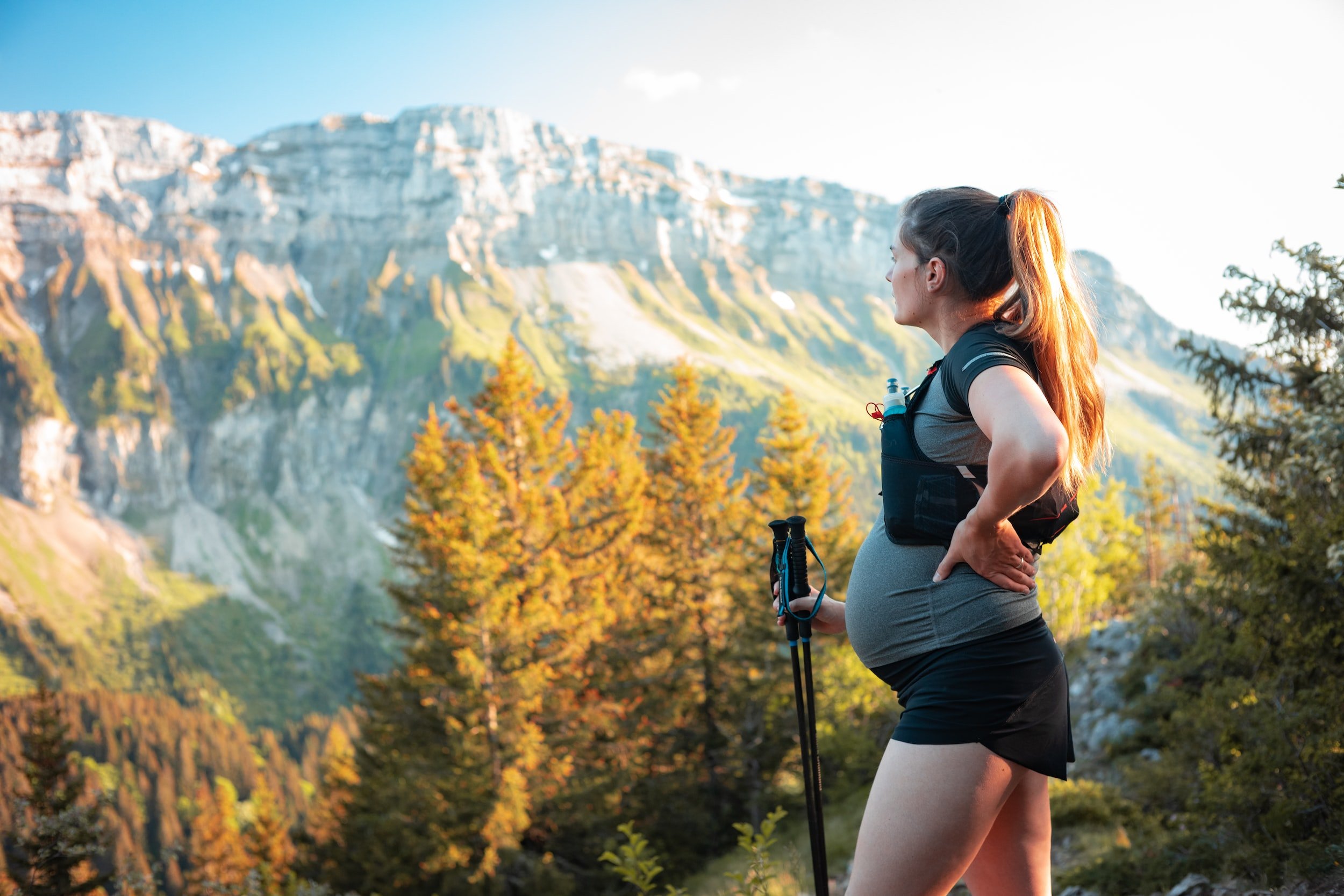
✅ Running, gym and sport after a calf strain
If you run
Pass the tests first. You should be able to walk briskly without pain, do 20 or more single-leg heel raises, and hop without pain.
Start with walk-run sessions on the flat, such as 1 minute running and 1 minute walking.
Leave hills and speed until last. Uphill running and sprints load the calf most.
Warm up well, with a few minutes of easy jogging and some calf raises before faster running.
Build back slowly. Add roughly 10% a week if your calf stays settled.
If you play sport or train in the gym
Keep upper body and core training going as normal
Keep calf strength work in your routine for good, especially after 35
Bring back sprinting, jumping and change of direction one at a time
Be extra careful in the first 8 weeks, when the risk of another strain is highest
Self-help
Use ice wrapped in a damp towel for up to 20 minutes every 2 to 3 hours for the first couple of days
Raise your leg when you're resting
Move your ankle gently up and down often to keep blood flowing
Avoid heat, alcohol and massage for the first 2 to 3 days
Ask a pharmacist about pain relief if you need it
Related conditions
Achilles tendinopathy: pain and stiffness in the tendon above the heel
Shin splints: aching along the inside of the shin when you run
Hamstring injury: a sudden pull at the back of the thigh when sprinting
Stress fracture: pain at one spot on a bone that builds with every run
❓ Calf strain FAQs

🚨 Physio, GP or A&E?
Most calf strains are safe to manage with a physio. A few symptoms need a doctor first, and a blood clot is the one we never want to miss.
Book a physio (no GP referral needed): calf pain after a clear injury during sport or a run, and you can walk; a calf strain that isn't improving after 2 weeks of self-care (book a physio or see your GP).
Call your GP urgently or 111: throbbing pain and swelling in one calf with no clear injury, warm or red skin, or swollen veins (this can be a DVT; get an urgent GP appointment or call NHS 111 today); severe pain, you can't take weight or walk more than a few steps, or swelling is getting worse (contact NHS 111 or an urgent treatment centre).
Call 999 or go to A&E: calf pain or swelling with shortness of breath or chest pain (call 999 or go to A&E now; this can be a blood clot in the lungs); a sudden snap at the back of the ankle and you can't rise onto your toes (go to A&E or an urgent treatment centre the same day; this may be an Achilles rupture); a numb, cold or blue foot, or you heard a crack (call 999 or go to A&E now).
Your risk of a clot is higher after surgery, long journeys of over 4 hours, during pregnancy or after giving birth, on the combined pill or HRT, or if you've had one before. If you're ever unsure, ring us on 07475 433300 and we'll tell you honestly whether you should see us or someone else first.
Not sure if it's a strain, an Achilles problem or something else? Book a free 15-minute call and we'll tell you honestly what to do next. Book a free call →
-
Yes. A physio checks how bad it is, rules out other causes such as a blood clot, and guides your strength and return-to-running plan.
-
A mild strain usually takes 2 to 3 weeks. A moderate strain takes 4 to 6 weeks. A severe tear can take 2 to 3 months or more.
-
When you can walk briskly without pain, do 20 or more single-leg heel raises and hop without pain. Then start with walk-run sessions on the flat.
-
A clot often causes throbbing pain and swelling with no clear injury, and warm, red or darkened skin. If you're unsure, get an urgent GP appointment or call 111.
-
Gentle stretching once the pain settles can help. Strengthening matters more for getting back to sport and stopping it happening again.
-
Use ice for the first 2 to 3 days and avoid heat. After that, use whichever feels better.
-
Avoid massage for the first couple of days. After that, gentle soft tissue work can help you move more comfortably.
-
A previous calf strain and age are the strongest risk factors. Coming back before your calf is strong enough is a common reason it goes again.
-
Usually not. A scan helps if we suspect a severe tear or an Achilles injury, or for elite athletes who need a precise timeline.
-
No. You can book directly with us. If you're claiming on health insurance, check with your insurer first.
-
Your first 60-minute assessment and treatment is £95. Follow-up sessions are £55 for 30 minutes, £95 for 60 minutes or £135 for 90 minutes. See our price list for all fees.
-
Yes. Book a free 15-minute consultation and we'll tell you honestly whether physio is the right next step.
📍 Book calf strain physio in Manchester city centre
Athos Physio is inside F45 NQ, 77 Piccadilly, Manchester M1 2BU, a two-minute walk from Piccadilly station and Piccadilly Gardens. We're open 7am to 8pm, Monday to Friday, so you can come in before or after work.
Your first appointment is a 60-minute assessment and treatment (£95). Follow-ups are £55 for 30 minutes, £95 for 60 minutes or £135 for 90 minutes. We work with Bupa, WPA, Vitality and Aviva, and you can see all our fees on the price list.
Can't get into town? We also offer home physio visits and online physiotherapy. Not sure physio is right for you? Book a free 15-minute call and we'll talk it through.
Call or WhatsApp 07475 433300, or book online.
Other services: Physiotherapy and active rehab · Sports massage · Pregnancy and postnatal physio · Home visits · Online physio
Written by Nick Chatziviltsos, physiotherapist and founder of Athos Physio, BSc (Hons) Physiotherapy, HCPC registered. Last reviewed: November 2026.
Insurance providers we are affiliated with


Athos Physio is a full-service physiotherapy clinic
We offer injury rehabilitation, post-surgery functional strengthening, deep tissue massage and pain relief, and strength training expertise. We support you in becoming pain-free so that you can achieve a limitless life experience. If you want to speak with us before booking a session you reach out via WhatsApp, call us or email us.
We are based in Manchester city centre a couple of minutes walk from Piccadilly train station and Piccadilly Gardens Square