


ACL injury treatment in Manchester
Get a clear diagnosis, decide on surgery with the full picture, and follow a tested, step-by-step plan back to sport, before or after an operation.

ACL physio and rehab in Manchester city centre
Reviewed by Nick Chatziviltsos, PgDip, HCPC-registered physiotherapist (PH114351), November 2026
At a glance
Who gets it: Footballers, rugby, netball, basketball and padel players, skiers, and anyone who twists, lands or stops suddenly.
Main symptom: A pop at the time, swelling within hours, and a knee that feels loose or gives way when you turn.
Typical recovery: Everyday life: 2 to 3 months. Pivoting sport after reconstruction: usually 9 to 12 months.
Sessions: Prehab 2 to 6. Without surgery 10 to 15. After reconstruction 15 to 25 over 9 to 12 months.
Avoid: Returning to football or other pivoting sport before you've passed strength and hop tests, and before 9 months after surgery.
Get urgent help: The knee looks out of place, you can't put any weight on it, or your foot is numb, cold or tingling: go to A&E.
Your anterior cruciate ligament (ACL) is one of the main ligaments holding your knee together. It stops your shin bone sliding forward and twisting under your thigh bone. An ACL injury usually happens when you change direction, land awkwardly or stop suddenly.
An ACL tear is a big injury, but it's not the end of your sport. The NHS says not every ACL injury needs surgery. Some people do very well with rehab alone. Others need a reconstruction, especially if they want to go back to sports with lots of twisting and turning.
Whatever route you take, rehab is the part that decides how well you do. That means months of focused strength, movement and sport-specific work, with clear tests along the way. We guide you from day one to your first full match, with or without surgery.
🛠️ How we treat ACL injuries
Every ACL plan at Athos Physio follows the same three steps. What changes is what we find at each one, and whether surgery is part of your plan.
Step 1. Find the root cause
We start by getting the full picture. In your first 60-minute session we work out three things:
What's injured: whether the ACL is torn, and whether the meniscus, MCL or joint surface are hurt too
How the knee is coping: swelling, how far it bends and straightens, how well your quads switch on, and whether it gives way in daily life
What you want from it: pivoting sport, running, the gym, or a physical job, as this shapes the surgery decision
We show you on a 3D anatomy model where the ACL sits and what a reconstruction involves. It helps you make an informed choice with your surgeon.
Step 2. Treat what's driving it
Calm the knee. Ice, compression, elevation and gentle movement to bring swelling down.
Get it straight and switch the quads back on. Full knee straightening and quad control are the first goals after injury and after surgery.
Restore normal walking. Usually off crutches as soon as you can walk without a limp, as your surgeon or physio advises.
Help with the surgery decision. We explain your options honestly and refer you to a knee surgeon if you need one.
Step 3. Build it to last
This is the longest part of ACL rehab, and the part that decides how well you get back to sport.
Heavy strength work for the quads, hamstrings, hips and calves, built up over months.
Running, jumping and landing, introduced only when you meet set criteria.
Rehab on the gym floor. Being inside F45 NQ means we can use sleds, boxes, cables, barbells and open floor space for agility and change-of-direction drills.
Return-to-sport testing, including strength and hop tests compared with your other leg, before you go back to full training.
We finish when you've passed your tests and are back playing with confidence, not just when you can walk and jog without pain.
Just injured your knee, or weighing up surgery? Your first 60-minute session gives you a clear plan and starts treatment the same day. Book your assessment →
🔍 What is an ACL injury?
The ACL runs diagonally through the middle of your knee, from your thigh bone to your shin bone. It controls forward sliding and twisting of the knee. That's why it matters most in sports where you cut, pivot and land.
Most ACL injuries happen without contact. A typical one is planting your foot and turning sharply, landing from a jump with the knee caving in, or stopping suddenly. Many people feel or hear a pop, then the knee swells over the next few hours.
The ACL doesn't usually heal back to full strength on its own once it's completely torn. But many people can build enough muscle strength and control to have a stable, working knee without surgery.
Grades of ACL injury
Grade 1 sprain: the ligament is stretched but still intact; pain and mild swelling, knee feels stable; physio rehab, usually back to sport in weeks.
Grade 2 partial tear: part of the ligament is torn; swelling, some looseness, may give way on sharp turns; physio rehab first, surgical opinion if it keeps giving way.
Grade 3 complete tear: the ligament is fully torn; a pop, fast swelling, the knee gives way when you turn; rehab alone or reconstruction, depending on your goals and stability.
ACL tear with other damage: the meniscus, MCL or cartilage are hurt too; locking, catching or pain on the joint line as well; often surgery, planned with a knee surgeon.
Your grade, your sport and how your knee behaves in rehab all feed into the surgery decision.
⚠️ ACL injury symptoms
With an ACL injury you might notice:
A pop or tearing feeling at the moment of injury
Swelling within a few hours, often large
Pain, sometimes severe at first, and difficulty carrying on playing
Not being able to fully straighten or bend the knee
The knee feeling loose, wobbly or untrustworthy
The knee giving way when you turn, pivot or step off a kerb
Some people feel surprisingly little pain once the swelling settles. That doesn't mean the ligament is intact. Instability with turning is the key sign.
Is it an ACL tear, a meniscus tear or something else?
A twist with pain on the joint line, catching or locking, but no big pop points more towards a meniscus tear. See our meniscus tear page.
Pain on the inside of the knee after a blow from the side suggests the MCL. See our MCL injury page. MCL and ACL injuries often happen together.
The kneecap shifting out to the side, then back, suggests a kneecap dislocation, which needs a different plan.
Pain below the kneecap with jumping, building over weeks is more likely a tendon problem. See our patellar tendinopathy page.
We test each of these at your first session rather than guessing from the symptoms alone.
🔍 What causes an ACL injury?
Most ACL tears happen when the knee twists or caves inwards with the foot fixed on the ground. A tackle or a blow to the side of the knee can also cause one.
Common triggers we see in Manchester
5-a-side and Sunday league football, cutting and turning on grippy 3G pitches.
Rugby, netball, basketball and padel, with sudden stops, jumps and landings.
Skiing trips, with twisting falls where the boot and binding hold the leg.
Gym classes with jumping and fast direction changes, done when tired.
Returning to sport after time off, without building strength and conditioning first.
A previous ACL injury, on either knee, which raises the risk of another.
ACL injury myths
"Everyone with a torn ACL needs surgery." The NHS says not every ACL injury needs surgery. Trials show many people do well with rehab first.
"After surgery, the knee is fixed." The operation replaces the ligament. Rehab is what gets you back to sport.
"You can go back as soon as it feels fine." Research shows people who return before 9 months after surgery have a much higher risk of another injury.
"It's a 6-month injury." For pivoting sport after reconstruction, 9 to 12 months is more realistic, and the NHS says up to a year.
🧪 How we assess an ACL injury
Your first session lasts 60 minutes, so there's time to assess properly and start treatment the same day. Bring any scan reports or surgery letters.
Your story (10 to 15 minutes). How it happened, whether you felt a pop, how fast it swelled, whether it gives way, your sport, your job and your goals.
Safety screen. We check for signs of a fracture, a dislocation, nerve or blood vessel problems, or infection after surgery.
Swelling and movement. We check for fluid in the knee and measure how far it bends and straightens, including any loss of full straightening.
ACL tests. The Lachman test is the most useful. We add the anterior drawer test and, when the knee allows, the pivot shift test.
Other structures. The McMurray and Thessaly tests and joint line tenderness for the meniscus, and the valgus stress test for the MCL.
Strength and function. Quad activation, walking pattern, squat and single-leg control. Later in rehab, we add strength measures and hop tests.
Your diagnosis and plan. In plain English: what's injured, your options with and without surgery, what to do this week, and how many sessions we expect.
You'll leave with treatment started and the first two or three exercises of your custom rehab plan. If you need an MRI or a surgical opinion, we'll tell you and write to your GP or a knee specialist.
🛠️ ACL injury treatment at Athos Physio
There are three routes: rehab without surgery, rehab before surgery, and rehab after surgery. All of them move through four phases. How fast you move depends on how your knee responds and on clear criteria, not just the calendar.
Rehab after ACL reconstruction
Protect and settle (weeks 0 to 2). Control swelling, get the knee fully straight, switch the quads on. Ice and compression, quad sets, heel props, heel slides, straight-leg raises, walking with crutches as advised.
Restore (weeks 2 to 6). Normal walking, full bending, basic strength. Off crutches, exercise bike, leg press, bridges, calf raises, step-ups, balance work.
Strengthen (weeks 6 to 16). Build strength and start running. Heavy leg press, squats, split squats, Romanian deadlifts, knee extensions, sled work. Running usually starts around 12 weeks if you meet the criteria.
Return to sport (month 4 to month 9 and beyond). Jump, land, cut and play with confidence. Hopping and landing, agility and change of direction, sport-specific drills, strength and hop testing, then a gradual return to full training and matches.
We follow your surgeon's protocol, especially if you've also had a meniscus repair, which may mean more limits in the early weeks.
Rehab without surgery
The phases are the same, without the early protection after an operation. The focus is strength, control and confidence in turning. Most people are back to straight-line running and the gym in 3 to 4 months. If your knee keeps giving way despite good rehab, we'll refer you for a surgical opinion. That's a normal part of this route, not a failure.
Rehab before surgery (prehab)
If you're waiting for surgery, we aim to get your knee as calm, straight and strong as possible first. The Aspetar guideline notes that low swelling, full straightening and good quad control before surgery may help early recovery. Prehab usually takes 2 to 6 sessions, depending on your waiting time.
Your home programme
Your home programme is usually 3 to 5 exercises, taking 15 to 20 minutes a day early on. As you get stronger, it becomes a full gym programme, 2 to 4 times a week. It's a custom plan made for you, with target weights.
How many sessions?
Prehab usually takes 2 to 6 sessions. Rehab without surgery usually takes 10 to 15 over 4 to 6 months. After reconstruction, most people need 15 to 25 sessions over 9 to 12 months. As you progress, more of the work is done on your own in the gym. We'll give you an estimate at your first appointment.
What actually works for an ACL injury?
Both surgery and rehab-first are reasonable options for many people. The right choice depends on your knee, your sport and your goals.
The KANON trial (Frobell and colleagues) followed 121 active adults aged 18 to 35 with a fresh ACL tear. One group had early reconstruction. The other had rehab, with surgery later only if needed. At five years, knee scores were similar, and about half the rehab group never needed surgery.
The ACL SNNAP trial (Beard and colleagues, 2022) studied 316 NHS patients with an ACL injury that was no longer fresh and a knee that was still unstable. At 18 months, reconstruction gave better knee scores than rehab, and 41% of the rehab group went on to have surgery.
The Aspetar guideline on rehab after ACL reconstruction (2023) supports starting exercise as soon as possible, with early movement and full weight-bearing after an isolated ACL reconstruction. It also supports early electrical muscle stimulation for the quads. It reports that most studies start running at around 12 weeks.
The Delaware-Oslo cohort (Grindem and colleagues, 2016) found that 39.5% of people who returned to pivoting sport within 9 months of surgery were reinjured. That fell to 19.4% for those who waited. Those whose quad strength was less than 90% of the other leg also had more reinjuries.
Recommended: starting rehab straight away, before and after any surgery; getting the knee fully straight and the quads working early; months of progressive, heavy strength training; criteria-based progression for running, jumping and sport, with strength and hop testing; waiting at least 9 months after reconstruction before returning to pivoting sport.
Less useful: deciding on surgery before you've had a proper assessment and discussed your goals; returning to sport based on time alone, without testing; relying on a knee brace instead of building strength; stopping rehab once daily life feels normal.

⏱️ How long does an ACL injury take to recover?
Grade 1 or 2 sprain, no surgery: walking normally: 1 to 3 weeks; running: 4 to 8 weeks; back to full sport: 6 to 12 weeks.
Complete tear, rehab without surgery: walking normally: 4 to 8 weeks; running: 3 to 4 months; back to full sport: non-pivoting sport in 4 to 6 months. Pivoting sport needs careful discussion.
After ACL reconstruction: walking normally: 4 to 6 weeks; running: around 3 months; back to full sport: usually 9 to 12 months.
After ACL reconstruction with meniscus repair: walking normally: 6 to 8 weeks; running: 3 to 4 months; back to full sport: 9 to 12 months or more.
The NHS says most people return to most activities within a few months of surgery, and returning to sport can take up to a year. Return to work is usually 4 to 6 weeks after surgery, depending on your job.
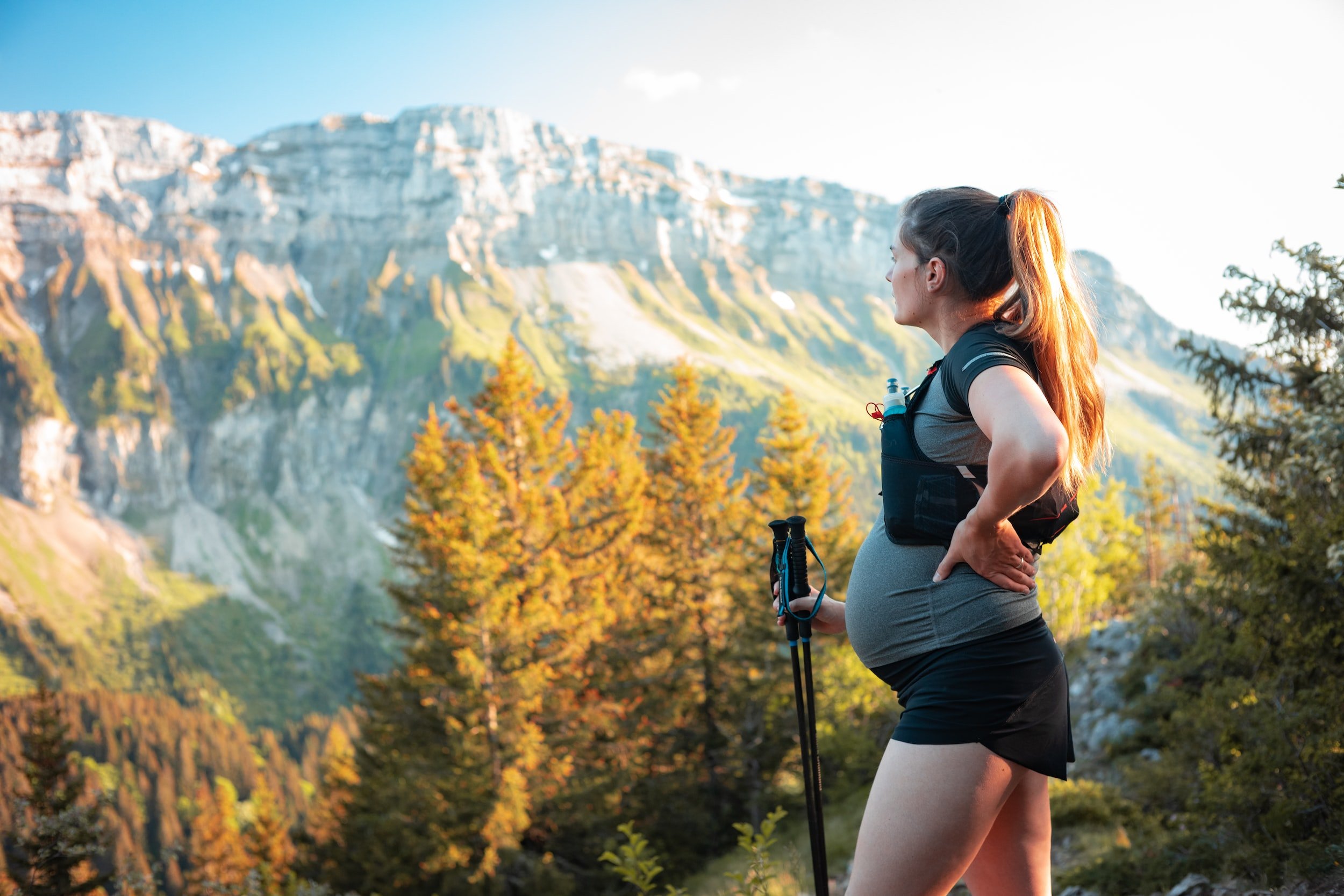
✅ ACL injury at work, in the gym and in sport
If you play sport
Stay involved. Upper body training, cycling and swimming (no breaststroke kick early on) keep you fit.
Build back in this order: walking, gym strength, running, jumping and landing, change of direction, controlled training, full matches.
Keep doing an injury-prevention warm-up and strength routine after you're back. It protects both knees.
If you train in the gym
Most upper body work can carry on from early on.
Leg training starts early, with weights increasing week by week. Strength is the biggest part of ACL rehab.
Hold off on jumping, sprinting and fast direction changes until you've met the criteria for each.
Work and driving
The NHS says most people return to work about 4 to 6 weeks after surgery, depending on the job. Desk jobs are often sooner.
Don't drive until your medical team says it's safe, and tell your insurer. The Aspetar guideline suggests around 4 to 6 weeks after a right knee operation or in a manual car. It can be sooner after a left knee in an automatic.
Self-help
In the first few days, rest, ice for up to 20 minutes every 2 to 3 hours, a compression bandage and keeping the leg raised.
Avoid heat, alcohol and massage for the first couple of days, as NHS advice suggests.
Prop your heel on a rolled towel for a few minutes several times a day to help the knee straighten.
Do your quad sets little and often. Waking up the quads early makes everything else easier.
Related conditions
Meniscus tear: joint line pain with catching or locking after a twist
MCL injury: pain on the inside of the knee after a blow or twist
Patellar tendinopathy: pain just below the kneecap, worse jumping
Post-op rehab: structured rehab after knee, hip or shoulder surgery
❓ ACL injury FAQs

🚨 Physio, GP or A&E?
Most ACL injuries can be assessed by a physio, who can then refer you to a knee surgeon if needed. A few signs need emergency care first. This list follows NHS advice on knee pain and sprains and strains.
Book a physio (no GP referral needed): a twisting injury, a pop and swelling, but you can walk on it (book a physio within the first week); a knee that keeps giving way when you turn, weeks or months after an injury (book a physio; we'll assess stability and discuss a surgical opinion).
Call your GP urgently or 111: a knee that locks or won't fully straighten after an injury (call 111 or book a physio assessment urgently); severe pain, large or growing swelling, or you can't put weight on the leg (call 111 or go to an urgent treatment centre); a hot, red, swollen knee with a fever, especially after surgery (call 111 or contact your surgical team now).
Call 999 or go to A&E: you heard a crack, the knee looks out of place or misshapen, or your leg or foot is numb, cold or blue (call 999 or go to A&E now; don't drive yourself).
If you're ever unsure, ring us on 07475 433300 and we'll tell you honestly whether you should see us or someone else first.
Not sure whether you need a physio, a scan or a surgeon? Book a free 15-minute call and we'll tell you honestly. Book a free call →
-
Not always. The NHS says not every ACL injury needs surgery. It's more likely if your knee keeps giving way, you want to return to pivoting sport, or other parts of the knee are damaged.
-
Many people can. In the KANON trial, about half of young active adults who started with rehab never needed surgery over five years.
-
Most people do everyday activities within a few months. Returning to pivoting sport usually takes 9 to 12 months.
-
Usually around 12 weeks after surgery, once your knee is settled and you meet strength and movement criteria.
-
Research shows people who return to pivoting sport before 9 months after surgery are much more likely to injure their knee again.
-
Yes. Getting the swelling down, the knee fully straight and the quads strong before surgery can help your early recovery.
-
Often, yes, if surgery is being considered or other damage is suspected. Your physio can usually diagnose an ACL tear with hands-on tests first.
-
Only when your medical team says it's safe and you've told your insurer. It's often around 4 to 6 weeks for a right knee or a manual car.
-
After reconstruction, most people need 15 to 25 over 9 to 12 months. Without surgery, 10 to 15 is common. We'll give you an estimate at your first appointment.
-
No. You can book directly with us. If you're claiming on health insurance, check with your insurer first.
-
Your first 60-minute assessment and treatment is £95. Follow-up sessions are £55 for 30 minutes, £95 for 60 minutes or £135 for 90 minutes. See our price list for all fees.
-
Yes. Book a free 15-minute consultation and we'll tell you honestly whether physio is the right next step.
📍 Book ACL physio in Manchester city centre
Athos Physio is inside F45 NQ, 77 Piccadilly, Manchester M1 2BU, a two-minute walk from Piccadilly station and Piccadilly Gardens. We're open 7am to 8pm, Monday to Friday, so you can come in before or after work.
Your first appointment is a 60-minute assessment and treatment (£95). Follow-ups are £55 for 30 minutes, £95 for 60 minutes or £135 for 90 minutes. We work with Bupa, WPA, Vitality and Aviva, and you can see all our fees on the price list.
Can't get into town? We also offer home physio visits and online physiotherapy. Not sure physio is right for you? Book a free 15-minute call and we'll talk it through.
Call or WhatsApp 07475 433300, or book online.
Other services: Physiotherapy and active rehab · Sports massage · Pregnancy and postnatal physio · Home visits · Online physio
Written by Nick Chatziviltsos, physiotherapist and founder of Athos Physio, BSc (Hons) Physiotherapy, HCPC registered. Last reviewed: November 2026.
Insurance providers we are affiliated with


Athos Physio is a full-service physiotherapy clinic
We offer injury rehabilitation, post-surgery functional strengthening, deep tissue massage and pain relief, and strength training expertise. We support you in becoming pain-free so that you can achieve a limitless life experience. If you want to speak with us before booking a session you reach out via WhatsApp, call us or email us.
We are based in Manchester city centre a couple of minutes walk from Piccadilly train station and Piccadilly Gardens Square